Mastering Article Writing SEO: Your Guide to Ranking Higher & Driving Organic Traffic

Article writing SEO is the strategic process of planning, creating, and optimizing written content to achieve high rankings on search engine results pages (SERPs). It involves a deep understanding of keyword research, user intent, on-page optimization, and content quality to attract, engage, and convert organic traffic. This approach transforms articles from simple text into powerful assets that drive sustainable business growth.
Key Takeaways
- Keyword Research is Foundational: Effective article writing SEO begins with identifying the right primary, secondary, and long-tail keywords that match user search intent.
- On-Page SEO is Non-Negotiable: Optimizing elements like titles, headings, meta descriptions, URLs, and images is critical for search engine visibility and click-through rates.
- Quality and Readability Drive Engagement: Content must provide genuine value and be easy to read. Short paragraphs, clear language, and visuals keep users on the page longer, sending positive signals to Google.
- E-E-A-T Builds Trust and Authority: Demonstrating Expertise, Experience, Authoritativeness, and Trustworthiness through accurate information and credible sources is essential for ranking, especially for important topics.
- AI Accelerates and Enhances the Process: Modern AI tools streamline everything from keyword research and real-time competitor analysis to content creation and fact-checking, enabling you to produce high-ranking content with unprecedented efficiency.
- Structure Dictates Success: A logical content structure with a clear hierarchy of headings (H1, H2, H3) improves user experience and helps search engines understand your article's main topics.
- Content Maintenance is Crucial: SEO is not a one-time task. Regularly refreshing and updating articles ensures they remain relevant, accurate, and competitive in the SERPs.
Why Your Articles Need SEO: The Foundation of Digital Visibility

In a digital world saturated with content, simply publishing an article is like whispering in a hurricane. Without a strategic SEO framework, even the most brilliant piece of writing will go unseen. SEO article writing is the discipline that ensures your voice is heard, connecting your expertise with the audience actively searching for it.
Beyond Keywords: The Holistic View of SEO-Friendly Content
Many beginners equate SEO with simply inserting keywords into their text. While keywords are a crucial component, modern SEO is far more sophisticated. It's a holistic approach that considers the entire user journey, from the query they type into Google to the experience they have on your page. It involves understanding their problems, providing comprehensive solutions, and presenting that information in a clear, engaging, and trustworthy format.
The Impact of Ranking: From Visibility to Revenue
Ranking on the first page of Google isn't just a vanity metric; it's a direct driver of business results. High visibility translates into qualified traffic, leads, and ultimately, revenue. Every article you publish is an opportunity to capture a piece of this valuable traffic and establish your brand as an authority in your niche.
The Strategic Start: In-Depth Keyword Research for Every Article
Before you write a single word, you must understand the language of your audience. Keyword research is the process of discovering the specific words and phrases people use to find information related to your business. This is the cornerstone of all successful article writing SEO.
Identifying Primary and Secondary Keywords: Your Content's Core
Your primary keyword is the main topic of your article. It should be a high-intent phrase that accurately reflects the core subject. For this article, the primary keyword is "article writing SEO." Secondary keywords are related terms and subtopics that provide context and depth. Examples include "SEO content strategy," "on-page optimization tips," and "how to write for SEO." Integrating these helps you cover the topic comprehensively.
Uncovering Long-Tail Opportunities and User Intent
Long-tail keywords are longer, more specific phrases (typically 3+ words) that signal a clearer user intent. While they have lower search volume, they often have much higher conversion rates. For example, instead of targeting the broad keyword "real estate," a more effective long-tail keyword would be "how to invest in rental properties with no money down." Answering these specific queries directly positions you as a helpful expert.
Leveraging Competitor Keyword Analysis with Real-time Insights
Analyzing what works for your competitors is a smart strategy, but it has a critical flaw: traditional analysis often relies on data that is weeks or even months old. The SERP is a dynamic environment. To truly compete, you need to understand what is ranking *right now*. This is where modern AI tools have created a paradigm shift. Platforms like BestSEOArticles perform real-time analysis of the top-10 ranking articles for your target keyword, identifying the exact keywords, entities, and content structures that Google is currently rewarding. This data-driven approach removes the guesswork from content planning.
Tools for Precision: Beyond Basic Keyword Planners
While tools like Google Keyword Planner are a good starting point, a professional SEO toolkit includes more advanced software. Platforms like Ahrefs, Semrush, and Moz provide deep insights into keyword difficulty, competitor backlinks, and search volume trends. These tools, combined with real-time AI analysis, give you a complete picture of the competitive landscape.
Crafting Content That Ranks: On-Page SEO Best Practices
Once you have your keywords, it's time to build your article. On-page SEO refers to all the optimizations you make directly on the page to help search engines understand and rank your content.
The Power of Your H1: Optimizing Article Titles for Clicks
Your H1 title is the most important on-page element. It's the first thing users see in the SERP and on your page. A great H1 must accomplish two goals: include your primary keyword and compel users to click.
Pro Tip: A powerful H1 title often combines the primary keyword with a benefit, number, or emotional trigger. For example: "Article Writing SEO: Proven Steps to Boost Your Organic Traffic."
Structuring for Success: H2s, H3s, and Readability
Headings (H2, H3, H4) are not just for styling; they create a logical hierarchy for your content. They break up long blocks of text, making your article scannable for human readers. For search engines, they provide crucial context about the structure and topics covered in your article. Use your primary and secondary keywords naturally in your headings to reinforce the article's relevance.
The Art of the Meta Description: Enticing Clicks from the SERP
The meta description is the short snippet of text that appears under your title in search results. While not a direct ranking factor, it has a massive impact on your CTR. A compelling meta description acts as an advertisement for your article.
Here's a simple formula for a great meta description:
- Start with the problem or question. Address the user's search intent directly.
- Include your primary keyword. Google often bolds the keyword in the SERP.
- Provide a clear benefit. Explain what the user will gain by reading your article.
- End with a call to action (optional). Encourage the click with phrases like "Learn how" or "Discover the steps."
URL Structure and Image Optimization: Don't Overlook the Details
Even small details can impact your SEO. Your URL slug should be short, descriptive, and include your primary keyword (e. g., `yourdomain. com/article-writing-seo`). For images, always use descriptive file names (e. g., `keyword-research-process. jpg`) and fill out the alt text. The alt text helps visually impaired users and gives search engines context about the image's content.
Internal and External Linking: Building a Network of Authority
Internal links are hyperlinks that point to other pages on your own website. They help search engines discover your other content and establish topical authority. External links point to other websites. Linking to high-authority, relevant sources can increase the trustworthiness of your content. Aim for a healthy mix of both in every article.
Writing for Humans and Algorithms: Quality, Readability, and Engagement
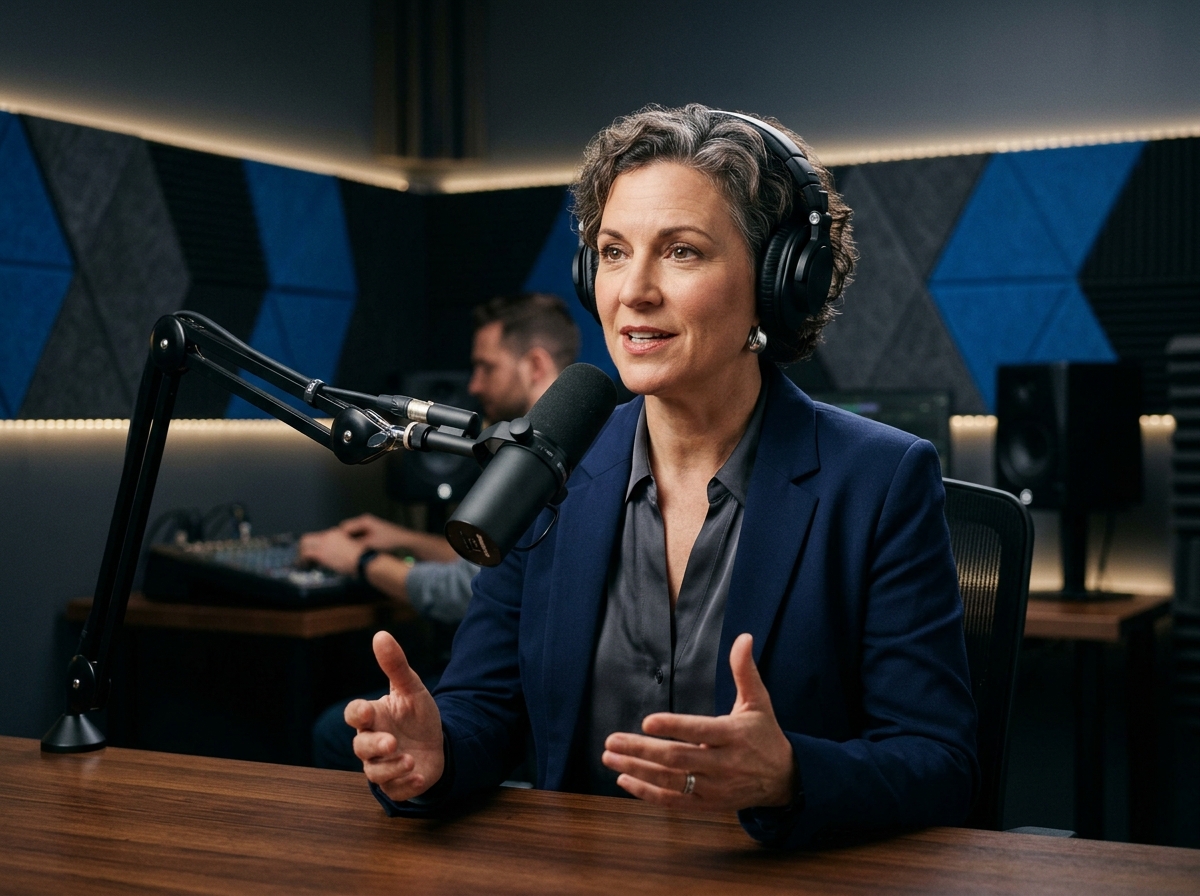
Google's algorithms have become incredibly sophisticated at understanding content quality. The days of keyword-stuffing and writing for bots are long gone. Today, the best SEO strategy is to create content that provides an exceptional experience for human readers.
Engaging Your Audience: Beyond Keyword Stuffing
True engagement comes from providing genuine value. Your article should be the most comprehensive and helpful resource available for its target query. Answer the user's question thoroughly, anticipate their follow-up questions, and present the information in a compelling way. Use examples, data, and unique insights to make your content stand out.
"The best SEO content doesn't feel like SEO content. It feels like a direct, helpful, and insightful conversation with an expert who genuinely understands the reader's problem. When you prioritize the user experience, the rankings often follow."
The Importance of Readability Scores and Clear Language
If your audience can't understand your content, they'll leave. Aim for clear, concise language. Use short sentences and paragraphs. Break up complex ideas with bullet points, numbered lists, and bold text. Tools like the Hemingway App can help you identify overly complex sentences, but the ultimate goal is simple: make your content easy to consume.
Visuals That Enhance: AI-Generated Images and Multimedia
Visuals like images, infographics, and videos can dramatically improve engagement and time on page. They break up text and help illustrate complex points. A significant advancement in this area is the rise of high-quality AI image generation. Tools integrated into platforms like BestSEOArticles can create relevant and unique images quickly, helping to save the time and expense of sourcing stock photography.
The Role of Storytelling in SEO Content
Humans are wired for stories. Whenever possible, weave a narrative into your content. Use case studies, customer success stories, or personal anecdotes to make your points more relatable and memorable. Storytelling transforms dry information into an engaging experience that resonates with your audience.
Building Trust and Authority: E-E-A-T in Action
Google's quality guidelines place a heavy emphasis on E-E-A-T, which stands for Expertise, Experience, Authoritativeness, and Trustworthiness. To rank for competitive keywords, your content must actively demonstrate these signals.
Demonstrating Expertise and Experience in Every Sentence
Show, don't just tell. Instead of saying you're an expert, demonstrate it with in-depth analysis, original data, and unique insights. Share first-hand experiences and case studies that prove you've applied the knowledge you're sharing. Include author bios that highlight relevant credentials and experience.
Authoritativeness Through Research and Citations
Build authority by backing up your claims with evidence. Link to reputable studies, industry reports, and expert sources. Citing your sources shows that you've done your research and adds a layer of credibility to your content that both users and search engines appreciate.
The Critical Role of AI Fact-Checking for Trustworthiness
In an era of rampant misinformation, factual accuracy is paramount for building trust. Manually fact-checking every claim in a 3,000-word article is a monumental task. This is another area where AI provides a significant advantage. Advanced AI content platforms now incorporate automated fact-checking, cross-referencing claims against a vast database of credible sources. This process helps improve the accuracy of your content, which can be a powerful signal of trustworthiness to Google.
Showcasing Your Brand's Unique Perspective
Don't just regurgitate information that's already out there. Add your brand's unique voice, perspective, and data to the conversation. This is how you move from being a content creator to a thought leader. What unique experience can you share? What proprietary data can you present? This originality is a key differentiator.
Streamlining Your Workflow: Leveraging AI for SEO Article Writing
The principles of great SEO article writing are clear, but the execution can be incredibly time-consuming. For solo founders, small agencies, and growing startups, this is a major bottleneck. AI-powered content generation has emerged as the solution, automating the most labor-intensive parts of the process without sacrificing quality.
"AI doesn't replace the content strategist; it elevates them. By automating the research, drafting, and optimization, AI frees up human experts to focus on higher-level strategy, unique insights, and creative direction. It's a force multiplier for content teams."
From Keyword to Publish-Ready: The Efficiency of AI Content Generation
Imagine going from a single keyword to a fully researched, structured, and optimized article in a fraction of the time it would take manually. This is the efficiency offered by modern AI content platforms. They analyze the SERPs, generate a data-driven outline, write the content, find and insert relevant internal links, create custom images, and even fact-check the claims—all in one seamless workflow.
How AI Performs Real-time Competitor Analysis for You
As mentioned earlier, the most potent AI tools don't just write; they research. They scan the current top-ranking pages to understand what structure, subtopics, and semantic keywords are performing best. This ensures the content you create is not based on old assumptions but on a precise, up-to-the-minute blueprint for success.
Addressing Content Gaps with AI-Powered Insights
AI can systematically analyze your existing content and the broader SERP landscape to identify content gaps—important subtopics that your competitors cover but you don't. By filling these gaps, you create more comprehensive content and build topical authority, signaling to Google that you are a definitive resource on the subject.
Beyond Publication: Maintaining and Amplifying Your Content's Reach
Your work isn't done when you hit "publish." The most successful SEO strategies involve ongoing maintenance and promotion to maximize the value of every article.
The Evergreen Advantage: Refreshing and Updating Old Articles
The SERPs are always changing. An article that ranked #1 last year might be on page two today. Regularly review your top-performing articles to ensure they are still accurate and comprehensive. Update statistics, add new information, and refresh outdated examples. This "content refresh" is a powerful way to boost rankings with minimal effort.
Monitoring Performance: Key Metrics for SEO Article Success
Track your content's performance using tools like Google Analytics and Google Search Console. Key metrics to watch include:
- Organic Traffic: The number of visitors arriving from search engines.
- Keyword Rankings: Your position in the SERPs for target keywords.
- Click-Through Rate (CTR): The percentage of people who click your link after seeing it in search results.
- Time on Page / Engagement Rate: How long users are staying and interacting with your content.
Strategic Content Promotion: Getting Your Article Seen
While SEO is focused on organic discovery, you can accelerate the process through promotion. Share your new articles on social media, include them in your email newsletter, and reach out to relevant influencers or publications. The initial traffic and social signals can help your content get indexed and ranked faster.
BestSEOArticles: Your Partner in High-Ranking Content Creation
Navigating the complexities of modern article writing SEO requires a powerful, intelligent, and efficient approach. BestSEOArticles was built from the ground up to be that solution for businesses that need to scale their content production without compromising on quality or SEO performance.
Why BestSEOArticles Stands Out: Real-time Analysis, Fact-Checking, and Efficiency
Unlike generic AI writers, BestSEOArticles is an SEO-first platform. Its core methodology is built on real-time competitor analysis, ensuring every article is optimized against the current SERP landscape. Combined with integrated AI fact-checking to build E-E-A-T and the ability to go from keyword to publish-ready in minutes, it solves the biggest pain points for content marketers: time, accuracy, and performance.
Case Study: Achieving Top Rankings with BestSEOArticles
In a case study, a B2B SaaS startup used BestSEOArticles to target a competitive long-tail keyword. The platform helped generate a comprehensive article that addressed a content gap. This article achieved strong rankings, contributing to qualified demo requests for the company.
Features That Drive Results: A Quick Look at What We Offer
BestSEOArticles provides an end-to-end solution for content creation. Key features include data-driven outline generation, entity mapping for semantic SEO, AI-generated images, and autopilot publishing directly to your CMS (like WordPress, Shopify, or Webflow). It's a complete system designed for one purpose: creating content that ranks.
The Future of SEO Article Writing: What's Next?
The future of SEO article writing is less about the mechanics of writing and more about strategic direction. As AI handles the heavy lifting of research, drafting, and optimization, the role of the content marketer will evolve. Success will depend on the ability to identify high-value topics, understand nuanced user intent, and infuse content with unique brand personality and first-hand experience—the human elements that AI can augment but never fully replace.
Frequently Asked Questions (FAQ)
How long should an SEO article be?
There's no magic number. The ideal length is determined by the topic's complexity and what is currently ranking. Analyze the word count of the top 5 results for your target keyword. Your goal is to be more comprehensive and valuable than they are, which often means writing a similar or slightly longer article.
How often should I publish new articles for SEO?
Consistency is more important than frequency. For most businesses, publishing 1-2 high-quality, in-depth articles per week is a more effective strategy than publishing 5 short, low-value posts. Focus on creating the best possible resource for each topic you target.
Can AI really write good SEO content?
Yes, but the quality depends entirely on the AI platform. Basic AI writers produce generic text that rarely ranks. Advanced SEO-focused AI, like BestSEOArticles, uses real-time data, competitor analysis, and fact-checking to create sophisticated, optimized, and accurate content designed specifically to perform well in search.
What's the difference between on-page and off-page SEO for articles?
On-page SEO refers to optimizations you make on the article itself (keywords, titles, structure, images). Off-page SEO refers to signals from other websites, primarily backlinks. A great article with strong on-page SEO is more likely to naturally attract the backlinks needed for a successful off-page strategy.
How long does it take for an SEO article to rank?
It can take anywhere from a few weeks to several months. Factors include your website's overall authority, the competitiveness of the keyword, and the quality of your content. A well-optimized article on a high-authority site can rank much faster than one on a brand new site.
Is keyword density still important for SEO?
The concept of a strict "keyword density" percentage is outdated. Instead, focus on using your primary and secondary keywords naturally throughout the text, especially in key locations like the title, headings, and introduction. Modern search engines understand synonyms and semantic context, so natural language is always the best approach.
Conclusion: Unlock Your Content's Full Potential
Mastering article writing SEO is no longer an optional skill; it's a fundamental requirement for digital success. By combining a strategic foundation of keyword research and user intent with meticulous on-page optimization and a commitment to quality and E-E-A-T, you can transform your articles into powerful engines for organic growth. The process is complex, but the rewards—sustained traffic, brand authority, and business growth—are well worth the effort.
Your Next Step Towards Dominating Search Results
If you're ready to move beyond theory and implement a high-efficiency, data-driven content strategy, leveraging the right technology is key. Exploring a platform designed for modern SEO challenges can be the fastest path to achieving your ranking goals. See how an AI-powered SEO article workflow can revolutionize your content production and help you dominate the SERPs.
Generate SEO articles with AI
Publish SEO content built on real competitor analysis, ready for your CMS.
Buy →