Master the Art of Recipe SEO: Structure Your Articles for Google's Top Spots

An SEO optimized recipe article structure is a strategic layout designed for both users and search engines. It combines an engaging introduction with a clear "Jump to Recipe" button, a core recipe card formatted with schema markup for rich snippets, detailed step-by-step instructions enhanced with visuals, and valuable supplementary content like expert tips, ingredient variations, and a frequently asked questions (FAQ) section to establish authority and capture long-tail traffic.
Key Takeaways
- User Experience is Paramount: A logical, scannable structure with elements like a "Jump to Recipe" button directly impacts user satisfaction, a key signal for Google's ranking algorithms.
- Schema Markup is Non-Negotiable: Implementing recipe schema (structured data) is essential for qualifying for Google's rich snippets, such as ratings, cook times, and calorie counts, which significantly boost click-through rates.
- Visuals Drive Engagement: High-quality hero images, process shots for each step, and videos not only guide the user but also increase time on page and signal content quality to search engines.
- Value-Added Content Builds Authority: Sections for tips, substitutions, storage instructions, and FAQs differentiate your content, demonstrate expertise (E-E-A-T), and capture a wider range of search queries.
- Keyword Research is Foundational: Targeting specific, long-tail keywords related to dietary needs (e. g., "vegan gluten-free lasagna recipe") and user intent is crucial for breaking through the noise.
- Technical Health Matters: A fast-loading, mobile-responsive website is a prerequisite. A poorly performing site will undermine even the most perfectly structured recipe article.
- Structure Serves Two Audiences: Your layout must satisfy the user in a hurry who wants the recipe now, and the user who wants to learn, be inspired, and understand the 'why' behind the steps.
Why Your Recipe Content Needs a Strategic SEO Structure
In the crowded world of food blogging, a delicious recipe is only half the battle. Without a strategic digital presence, even the most mouth-watering dish can go unnoticed. An seo optimized recipe article structure is the bridge between your culinary creation and the millions of hungry users searching on Google every day.
Beyond a Great Recipe: The Imperative of Digital Visibility
You've perfected the flavors, tested the cooking times, and captured stunning photos. But if your article is a simple wall of text, search engine crawlers struggle to understand its components. They can't easily distinguish ingredients from instructions or prep time from serving size. This confusion prevents them from confidently presenting your recipe to users, especially in enhanced formats like rich snippets or recipe carousels.
The Dual Advantage: User Experience Meets Search Engine Ranking
A well-defined structure serves two masters simultaneously. For the user, it creates a predictable, scannable, and helpful experience. They can immediately see the finished dish, jump to the instructions if they're in a rush, or read your story if they have time. This positive engagement—low bounce rates, high time-on-page—sends powerful signals to Google that your content is valuable. For search engines, the structured format provides a clear roadmap, allowing them to parse, index, and rank your content with precision.
Decoding Search Intent for Recipe Seekers: What Hungry Users Want
To structure your article effectively, you must first understand the minds of your audience. Recipe searchers typically fall into two categories, and your content needs to cater to both.
The Quest for Quick Answers: Prep Time, Ingredients, and Instructions
Many users are in the middle of meal planning or are already in the kitchen. They have a specific goal and need information fast. Their primary questions are: "What do I need?" and "How do I make it?" For this user, elements like a prominent "Jump to Recipe" button, a clear ingredients list, and concise, numbered instructions are critical. Failing to provide this immediate utility can lead to a quick exit.
The Desire for Inspiration: Stories, Variations, and Dietary Needs
Other users are browsing for ideas. They want to be inspired. They're interested in the story behind the dish, potential variations, or tips for success. This is where your personal anecdotes, detailed explanations, substitution ideas, and beautiful photography shine. This content builds a connection, establishes your authority, and encourages users to explore more of your site.
The Foundation: Keyword Research That Unearths Culinary Gold
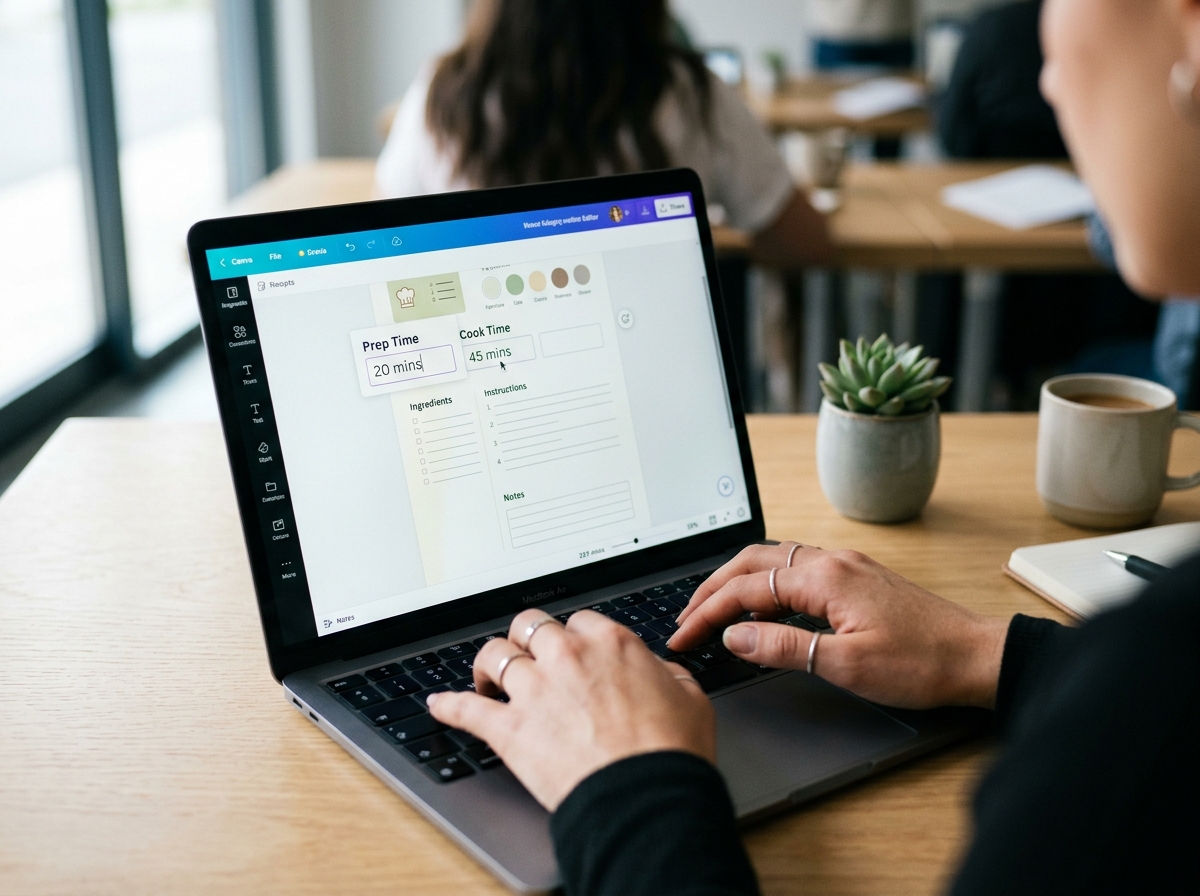
Before you write a single word, you need a blueprint. Keyword research provides that blueprint, ensuring you're creating content that people are actively searching for. It's not about stuffing keywords; it's about aligning your recipe with the precise language of your audience.
Uncovering Long-Tail Keywords for Niche Success
Instead of targeting a broad term like "chicken recipe," focus on more specific, long-tail keywords. These have lower competition and attract a more qualified audience. Think in terms of what makes your recipe unique.
- Instead of: "Cookie Recipe"
- Try: "No chill brown butter chocolate chunk cookies"
- Instead of: "Pasta Recipe"
- Try: "One pot creamy tuscan chicken pasta"
Leveraging Seasonal Trends and Dietary Preferences
Align your content with what's happening in the world. Target keywords like "easy summer grilling recipes for a crowd" in June or "healthy vegan super bowl snacks" in January. Similarly, incorporating dietary modifiers like "gluten-free," "keto," "dairy-free," or "low-FODMAP" opens your content up to highly motivated searchers.
BestSEOArticles: Your AI Sous Chef for Keyword Discovery
Manually sifting through keyword data and analyzing top-ranking recipes is a time-consuming process. Tools like BestSEOArticles act as your AI-powered sous chef. By performing real-time competitor analysis, it can instantly identify content gaps and lucrative long-tail keywords that your rivals have missed. This allows you to pinpoint exactly what to include in your recipe article to outrank them, from specific ingredient mentions to answering questions they've overlooked.
Crafting Your Recipe Article: A Step-by-Step SEO Blueprint
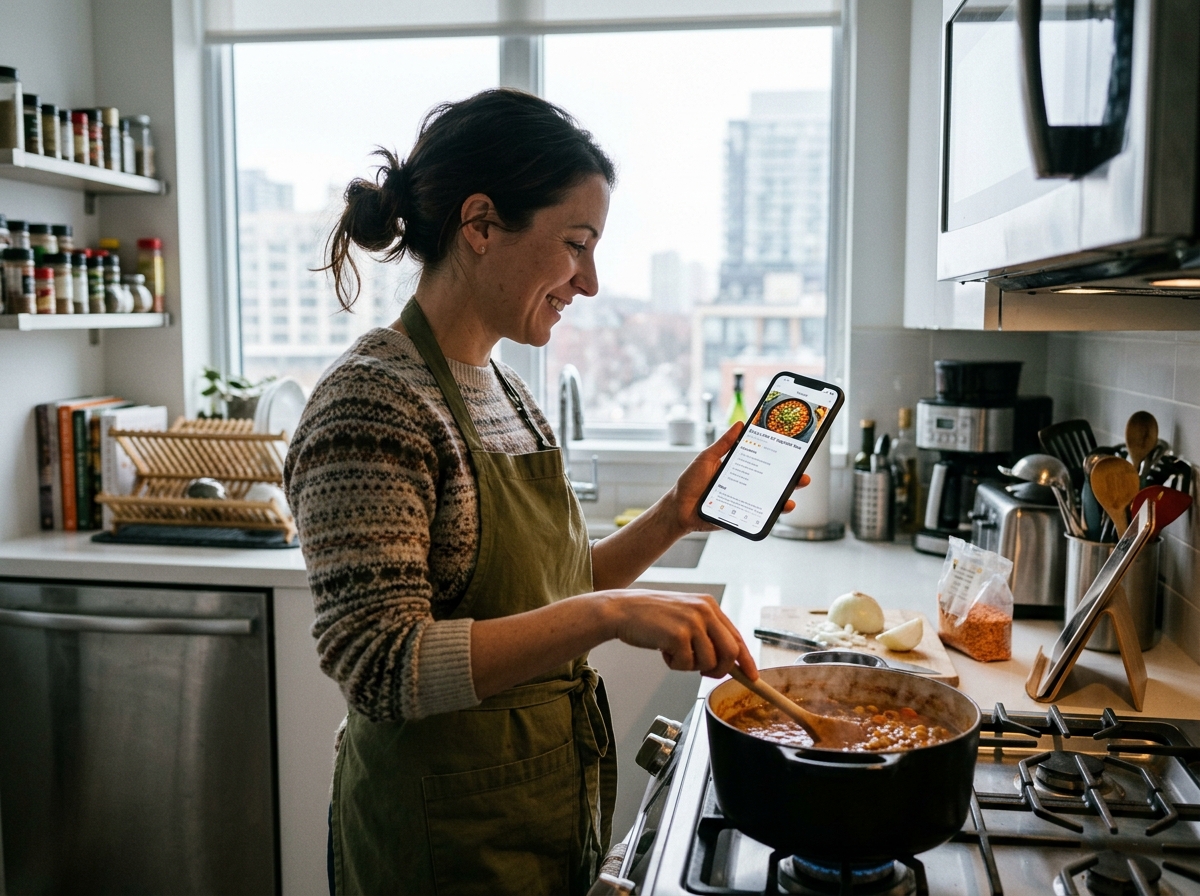
Now, let's assemble the ingredients of a perfectly structured recipe article. Follow this nine-step blueprint to create content that is readable, authoritative, and optimized for search engine visibility.
-
Step 1: Hook Them with a Headline and Meta Description
Your title (H1 tag) is your first impression. It must be compelling and keyword-rich. A great formula is: [Modifier] + [Dish Name] + [Optional Benefit]. For example, "Quick & Easy Sheet Pan Lemon Herb Chicken (30-Minute Meal!)." Your meta description is your sales pitch in the search results. Make it enticing and include your primary keyword, like: "Get the best sheet pan lemon herb chicken recipe! This delicious 30-minute meal is perfect for a busy weeknight. Easy cleanup, big flavor."
-
Step 2: The Engaging Introduction: Storytelling with a Purpose
Start with a short, zippy introduction that sells the recipe. Why should someone make this? Is it the best they'll ever taste? The easiest? The healthiest? You can include a brief personal anecdote, but get to the point quickly. Explain the 'why' behind the recipe before the 'how,' hooking the reader and building anticipation.
-
Step 3: Visual Feast: High-Quality Images and Video Optimization
Food is a visual medium. Your article must include high-quality imagery.
- The Hero Shot: A stunning, high-resolution photo of the finished dish placed near the top of the article.
- Process Shots: Photos illustrating key steps in the instructions. This builds confidence and helps prevent user error.
- SEO for Images: Use descriptive file names (e. g., `sheet-pan-lemon-chicken. jpg`) and fill out the alt text (`alt="Sheet pan with roasted lemon herb chicken and potatoes"`). This helps Google understand and rank your images in Google Image Search.
-
Step 4: The Core Recipe Card: Your Rich Snippet Gateway
This is arguably the most critical technical element. The recipe card is a dedicated, formatted box containing the core recipe details. It must be powered by schema markup (specifically, `Recipe` schema in JSON-LD format) to be eligible for rich snippets.
Structured data is no longer a 'nice-to-have' for recipe SEO; it's the price of entry. It's how you translate your recipe from human language into the machine-readable format Google needs to grant you rich snippets and prime SERP real estate.
Your recipe card schema should include: name, description, keywords, author, prep time, cook time, total time, recipe yield (servings), ingredients, instructions, nutritional information, and aggregate rating. While many recipe plugins handle this, ensuring its accuracy is vital.
Automating Schema: The technical details of JSON-LD can be daunting. The BestSEOArticles platform simplifies this with its Entity mapping & structured data feature. It automatically identifies the key entities in your recipe and generates the correct, error-free schema, ensuring your content is perfectly primed for Google's rich results without any manual coding.
-
Step 5: Ingredients List: Precision and Clarity
Format your ingredients as a clear, scannable list (using `
- ` or `
- `). List them in the order they are used. Be precise with quantities and measurements. It's also helpful to include links to less common ingredients or suggest potential substitutions in a separate notes section.
-
Step 6: Step-by-Step Instructions: Actionable and Accessible
Use a numbered list (`
- `) for your instructions. Write in clear, concise, action-oriented language. Start each step with a verb (e. g., "Preheat," "Combine," "Sauté"). Break down complex processes into smaller, manageable steps. If you have process shots, embed them next to the corresponding step.
-
Step 7: Value-Added Content: Tips, Variations, and Storage
This is where you demonstrate your E-E-A-T (Experience, Expertise, Authoritativeness, and Trustworthiness). Go beyond the basic instructions. Offer tips for success, suggest ingredient variations (e. g., "To make it vegetarian, substitute chickpeas for chicken"), and provide clear instructions for storing and reheating leftovers. This extra content is incredibly valuable to the user and signals to Google that you are a true expert on this topic.
-
Step 8: The FAQ Section: Answering User Queries and Capturing PAA
Include a dedicated FAQ section with 3-5 questions related to your recipe. Use Google's "People Also Ask" (PAA) box for inspiration. Answering these questions directly can help you capture featured snippets and address user concerns proactively. Example questions could be: "Can I make this recipe ahead of time?" or "What should I serve with lemon herb chicken?"
-
Step 9: Internal and External Linking: Building Authority and Navigation
End your article by encouraging further exploration. Include internal links to other relevant recipes on your site (e. g., "If you loved this dish, you should also try our [linked] Crispy Roasted Potatoes"). This keeps users on your site longer and helps Google understand your site's structure. You can also link externally to a high-authority source if you're referencing a specific technique or study, which can build credibility.
Technical SEO for Recipe Blogs: Beyond On-Page Basics
A perfect article structure can be held back by a poor technical foundation. To truly compete, you need to ensure your entire website is optimized for performance.
Mobile-First Design: The Non-Negotiable for Food Content
A significant portion of your audience will view your recipes on a phone or tablet, often while in the kitchen. Your website must be fully responsive, meaning it looks and functions perfectly on any screen size. Text should be readable, buttons should be tappable, and images should load correctly. Google primarily uses the mobile version of your site for indexing and ranking, making this a critical factor.
Page Speed: Keeping Hungry Users Happy (and Google Too)
Page speed is a confirmed ranking factor and is crucial for a positive user experience. Optimizing images through compression, utilizing a reliable hosting provider, and leveraging browser caching can significantly improve page load times, aiming for a fast and efficient experience for users.
Google doesn't rank recipes; it ranks user experiences. Your article's structure and your site's technical performance are the primary signals of that experience, telling search engines if a user will find what they need quickly and enjoyably.
Measuring Your Recipe SEO Success: Tools and Metrics
SEO is not a one-time task; it's an ongoing process of optimization. Use free tools from Google to monitor your performance and identify areas for improvement.
- Google Search Console: This is your direct line of communication with Google. Use it to see which keywords your recipes are ranking for, check your click-through rates (CTR), and identify any technical issues, such as schema errors or mobile usability problems.
- Google Analytics: This tool helps you understand user behavior. Track metrics like page views, average time on page, and bounce rate for your recipe articles. If a recipe has high impressions but low clicks in Search Console, you might need a more compelling title. If it has high traffic but a high bounce rate in Analytics, the introduction or structure might not be meeting user needs.
Future-Proofing Your Recipe SEO: Voice Search and AI's Role
The way users search for information is evolving. Optimizing for the future means thinking beyond the screen. The rise of voice assistants like Alexa and Google Assistant has created a new frontier for recipe content.
Optimizing for Conversational Queries
People don't speak to voice assistants the way they type. They ask questions like, "Hey Google, how do I make chicken parmesan?" or "What are the ingredients for a margarita?" A well-structured article, especially one with a detailed FAQ section and properly implemented schema, is perfectly positioned to provide the direct answers these devices need.
The Growing Importance of Structured Data for AI
As AI becomes more integrated into search, structured data will become even more crucial. It provides the unambiguous, machine-readable information that AI models need to understand and present your content. A recipe with robust schema is not just optimized for today's search results; it's prepared for the next generation of AI-driven discovery.
Frequently Asked Questions (FAQ)
How long should a recipe blog post be?
Top-ranking recipe articles are typically comprehensive, including an introduction, tips, FAQs, and other valuable content beyond just the recipe itself. The focus should be on thoroughness and helpfulness rather than adhering to a specific word count.
Is a personal story in a recipe introduction bad for SEO?
Not necessarily, but it must be balanced. A short, relevant story can build a connection with the reader. However, it should be concise and followed quickly by the information the user is seeking. Always include a "Jump to Recipe" button so users who are not interested in the story can skip it.
What is the most important part of a recipe article for SEO?
The recipe card with proper schema markup is the most critical technical element. It's the key that unlocks rich snippets in Google Search, which dramatically increases your visibility and click-through rate. From a user perspective, clear, step-by-step instructions are most important.
Do I need a special plugin for recipe schema?
Most food bloggers use a dedicated recipe card plugin (like WP Recipe Maker or Create) that automatically generates the necessary schema markup. This is highly recommended as it simplifies a very complex technical requirement.
How many images should I include in a recipe post?
Aim for at least one high-quality "hero" image of the final dish. Additionally, including 3-5 process shots for key steps is highly beneficial for user experience. Ensure all images are optimized for web to avoid slowing down your page.
Ready to Transform Your Recipe Content?
Creating a high-ranking recipe article is a blend of culinary art and data-driven science. By adopting a user-first approach and implementing the strategic structure outlined above, you can dramatically improve your visibility in search results. It requires a meticulous focus on keywords, schema, user experience, and value-added content.
This process, from in-depth competitor research to crafting a perfectly structured, schema-optimized post, can feel overwhelming. If you want to streamline your workflow and ensure every recipe you publish is engineered to rank, it's time to leverage the power of AI.
Supercharge Your Recipe SEO with BestSEOArticles
Instead of juggling multiple tools and processes, you can use a single platform to go from a simple keyword to a fully optimized, publish-ready recipe article in minutes. BestSEOArticles handles the real-time analysis, content gap identification, structured data generation, and writing, allowing you to focus on what you do best: creating amazing food. Start turning your culinary expertise into a traffic-driving powerhouse today.
Generate SEO articles with AI
Publish SEO content built on real competitor analysis, ready for your CMS.
Buy →